

Small business website design costs anywhere from $100 a month for a DIY builder to $10,000 for a fully custom build, with most local businesses paying between $4,000 and $8,000 for a professional site. The right number depends on which approach you pick, not just how big your business is.
If you’re weighing your options and want a straight answer for your specific project, JEG Design is here to help — we build custom, professional websites for small businesses and can walk you through exactly what your site should cost before you commit to anything.
The Four Approaches to Small Business Website Design
Every small business website design falls into one of four categories, and each one has a very different price tag. A DIY builder site, using a tool like Wix or Squarespace, costs $10 to $50 a month plus your own time. It works fine for a simple one-page or five-page site with no special features.
A freelancer build usually costs $500 to $5,000. You get more customization than a DIY builder, but the timeline depends heavily on one person’s schedule and skill level. A small agency build, which is where most established local businesses end up, usually runs $2,000 to $10,000 and includes design, WordPress or Shopify development, and basic SEO, with the higher end of that range reserved for sites that add online stores, booking systems, or a lot of pages. A subscription-style website service bundles hosting, upkeep, and design into one monthly fee, often $100 to $400 a month. You pay less upfront, but you own less of the final site.
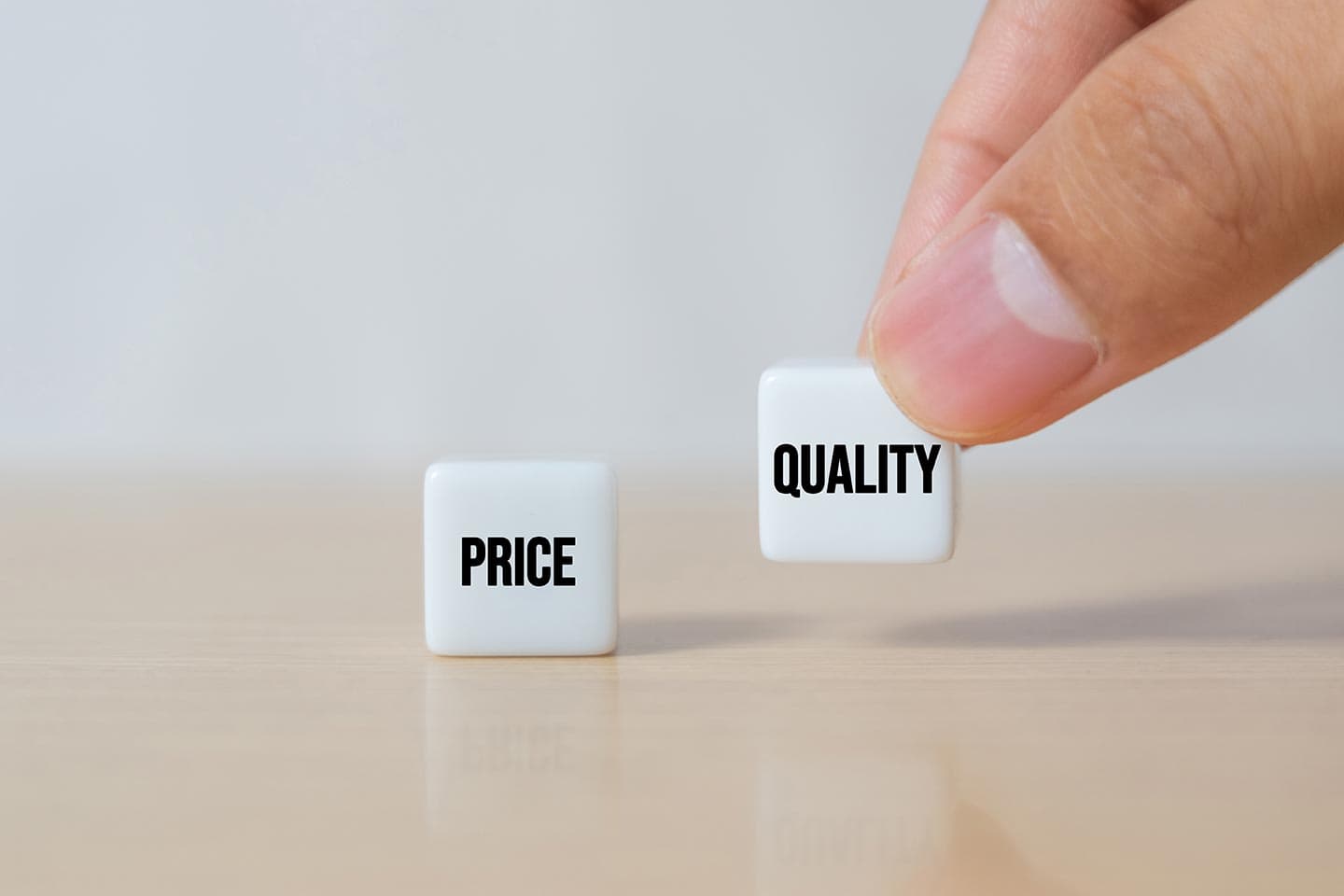
The mistake many owners make is picking an approach based on price alone instead of what the business actually needs. A restaurant that just needs a menu, hours, and a map does not need the same build as a contractor who takes bookings through an online form. Matching the approach to the actual job, instead of defaulting to whatever’s cheapest or most familiar, is what keeps a small business from paying twice: once for a site that doesn’t do what it needs to, and again for the redesign that fixes it a year later.
This is exactly the kind of decision JEG Design helps clients make every day — matching the build to the business instead of selling a one-size-fits-all package.
What Drives Small Business Website Design Costs Up or Down
Beyond which approach you pick, five things move the price the most: how many pages you need, any special features (booking systems, payment processing, member areas), whether you use real photos or stock images, who writes the copy, and ongoing upkeep. According to Clutch, a business services marketplace that tracks agency pricing, web design companies typically charge $100 to $149 an hour in the United States, which is why a site that needs twenty hours of custom work costs a lot more than one that needs five.
Online stores add their own layer of cost. A small business ecommerce build on Shopify or WooCommerce needs product photos, inventory setup, and a payment system on top of the regular design work, which is why an online store almost always costs more than a similar site without one.
Where your business is located can shift the number too, though usually by less than people expect. Agencies in smaller markets often charge less than firms in a big city, simply because their overhead is lower, not because the work is any less thorough.
A Real Example: Brochure Site vs Ecommerce Site
A five-page site for a local service business, built on WordPress with a professional template, fresh copy, and basic SEO, typically costs around $2,500 to $4,000 through a small agency. Add an online store with twenty products, a shopping cart, and shipping settings, and that same project moves into the $5,000 to $10,000 range. Most of that jump comes from the extra time spent setting up products and payments, not from the visual design itself.
This is a common surprise for first-time website buyers: the part you can see, the design, is often the smaller half of the invoice once real features get involved. If you’re comparing two quotes, ask what’s actually included in each one instead of just picking whichever total looks lower.
A restaurant adding online ordering sits somewhere between these two examples. The menu pages cost about the same as any basic site, but hooking up a payment processor and a kitchen notification system adds hours a simple information page never needed. Knowing which category your project falls into before you ask for quotes helps you spot a number that seems unusually high or low for what you’re actually asking for.
Not sure which category your project falls into? Contact JEG Design for a clear, no-pressure breakdown of what your site actually needs.
What to Ask Before You Get a Quote
Before you request quotes, get clear on what you actually need. How many pages does the site need? Does it need to sell products, take bookings, or just show information? Who’s writing the words and taking the photos? Answering these questions upfront stops the scope from creeping, which is what turns a $3,000 quote into a $6,000 invoice halfway through the project.
It also helps to ask what happens after the site launches. Hosting, security updates, and small content changes are ongoing costs that some agencies bundle into a monthly plan and others bill separately. A free design estimate that walks through these questions with an actual designer, instead of a generic online calculator, tends to give you a far more accurate number than guessing from a national average. JEG Design offers exactly this kind of free consultation — no calculator, no guesswork, just a real conversation about your project.
It’s also worth asking how changes are handled once the project starts. Some agencies build two or three rounds of feedback into the original quote, while others charge by the hour for anything requested after the first draft. Knowing this upfront saves you from a surprise invoice for what felt like a small, reasonable request partway through the build.
What Switching Platforms Really Costs
A cost that catches a lot of business owners off guard is switching platforms entirely, moving from a DIY builder to WordPress, or from an old custom site to Shopify. This is not the same project as building a fresh site from scratch, even though people often assume the price should be similar.
Platform switches usually cost more than a same-platform redesign because your content, images, and any existing SEO value have to be pulled out of one system and rebuilt in another, often by hand rather than through a simple export. A five-page DIY builder site moving to WordPress might add $500 to $1,500 on top of a normal redesign quote just for this transfer work, depending on how much content needs to be recreated rather than copied directly.
The upside is that a platform switch is usually a one-time cost. Once you’re on WordPress or Shopify, future redesigns become far cheaper, since you’re updating an existing, well-supported system instead of migrating away from a limited one again. If your current DIY site is starting to feel restrictive, it’s worth weighing this one-time switching cost against years of paying a redesign premium every time you outgrow your builder.
JEG Design handles platform migrations regularly and can tell you upfront whether a switch makes sense for your business before you spend a dollar on it.
Ready to Get Your Website Priced Right?
Skip the guesswork and the generic online calculators. Contact JEG Design today for a free, honest consultation about what your small business website should actually cost — and what it needs to do for your business to be worth it.
Frequently Asked Questions
How much does small business website design cost? Small business website design costs $100 a month for a DIY builder up to $10,000 for a custom build. Most local businesses pay $2,000 to $8,000 for a professional site. JEG Design can give you an exact number for your project after a free consultation.
How does an ecommerce site compare in cost to a brochure site? An ecommerce site usually costs $1,500 to $6,000 more than a similar site without a store, mainly from product setup, payment processing, and shipping settings rather than extra design work.
How long does it take to build a small business website? Most small business websites take four to eight weeks from start to launch. Sites with an online store and product catalog often take longer because of the extra setup involved.
What ongoing costs come after the website is built? Hosting, domain renewal, and security updates typically run $200 to $600 a year. Small content changes may be billed by the hour or covered in a monthly maintenance plan. JEG Design offers maintenance plans that bundle these costs so there are no surprises.
How do I contact JEG Design? You can reach JEG Design by visiting jegdesign.com and filling out the contact form, or reaching out directly through the phone number or email listed on the site. A member of the team typically responds within one business day to schedule your free consultation.
How do I get started with JEG Design’s website services? Getting started is simple: contact JEG Design through the website to book a free consultation, discuss your goals and budget, and receive a clear, itemized quote. From there, JEG Design handles design, development, content, and launch, with ongoing support available afterward.
What website services does JEG Design offer? JEG Design builds custom small business websites, including brochure sites, ecommerce stores, booking-enabled sites, and platform migrations (from DIY builders to WordPress or Shopify). Services also include basic SEO setup, hosting guidance, and optional monthly maintenance plans.
Does JEG Design offer free quotes or consultations? Yes. JEG Design provides a free, no-obligation consultation to review your project needs and give you an accurate cost estimate — not a generic calculator number, but a real conversation with a designer about what your site actually requires.