

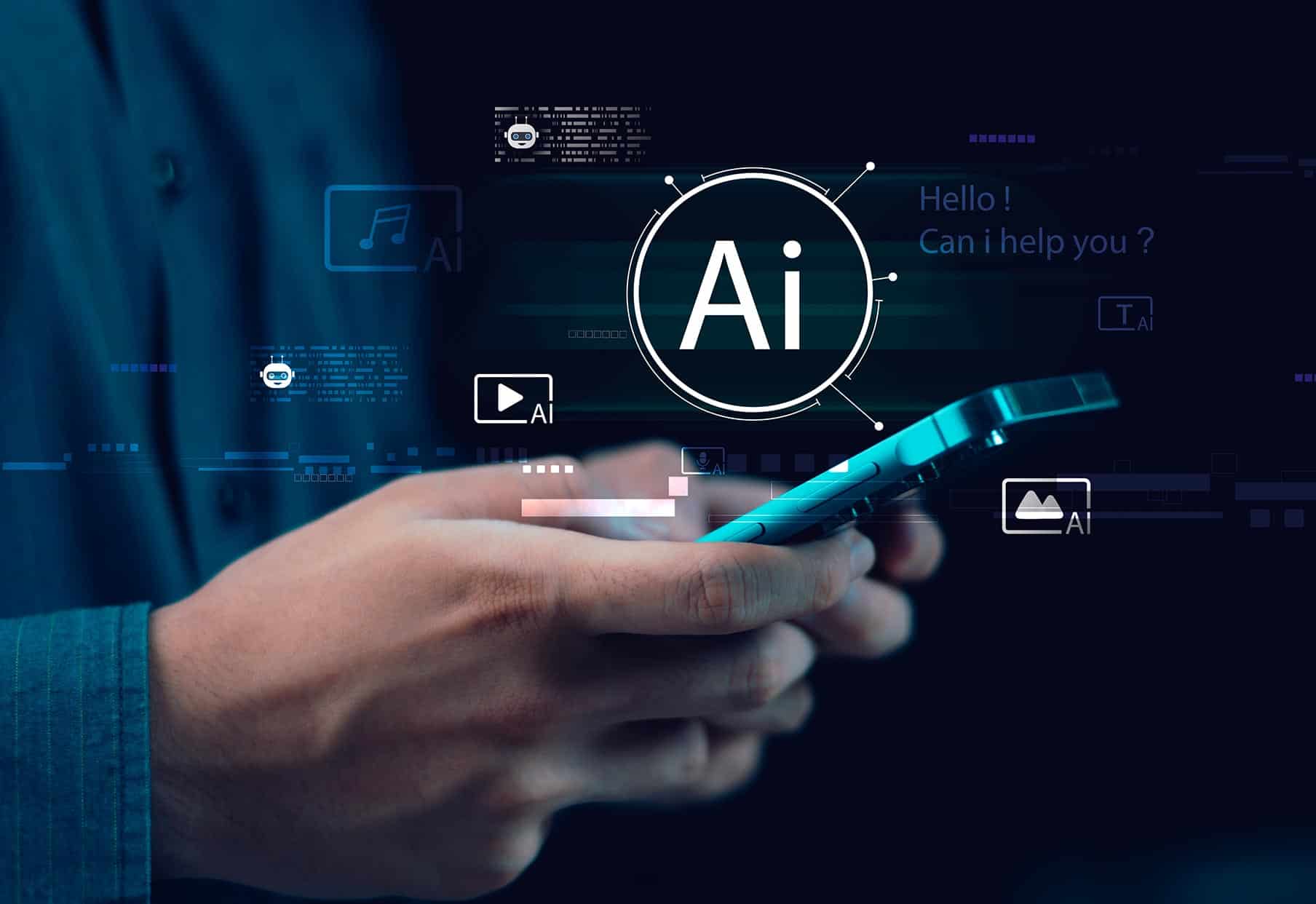
The way websites are built is changing faster than ever. In 2026, web development is no longer just about clean design, fast loading pages, or mobile responsiveness. The rise of artificial intelligence has completely shifted how developers approach structure, performance, content delivery, and user experience.
Businesses working with custom website developers are now asking a new question: Is my website AI-ready? This shift is especially important for brands investing in web development services in Vermont and beyond, where competition is growing and digital visibility directly impacts growth.
AI-ready website architecture is not just a trend. It is becoming a foundation for modern digital success. In this blog, we explore what is changing, why it matters, and how professional web developers and designers are adapting to meet these new expectations.
What Is AI-Ready Website Architecture?
AI-ready website architecture refers to how a website is structured so it can work seamlessly with AI systems, tools, and search engines.
Unlike traditional websites that are built only for human users, AI-ready websites are designed to:
- Be easily understood by AI crawlers and search systems
- Support dynamic content personalization
- Integrate automation tools and chat systems
- Improve decision-making based on user behavior
- Enhance SEO through structured data and semantic design
This approach is becoming a core focus of modern web development, especially as search engines and AI assistants increasingly determine how users discover content.
Why Website Architecture Matters More in 2026
In earlier years, design and keywords were the primary focus of SEO. Today, things are more advanced. Search engines and AI systems analyze:
- Content structure
- Internal linking logic
- User interaction patterns
- Page intent and meaning
- Technical performance signals
This means that even a beautifully designed website can underperform if its architecture is weak.
For businesses using web development services in Vermont, this shift is critical. Local competition depends heavily on visibility, and AI systems now play a major role in determining which websites appear first.
How Developers Are Changing Website Architecture
Modern custom website developers are redesigning the way websites are built from the ground up. Here are the biggest changes happening in 2026:
1. Structured Data First Approach
Instead of adding SEO later, developers now build structured data into the foundation. This helps AI systems understand:
- Services offered
- Business information
- Product categories
- Content relationships
This improves visibility across search engines and AI-powered platforms.
2. Modular Content Systems
Websites are no longer static pages. Developers are using modular structures where content blocks can be reused, updated, and personalized.
This allows professional web developers to create flexible websites that adapt to different users and devices.
3. AI Integration Layers
Modern websites are being built with AI integration in mind from day one. This includes:
- Chatbots for customer support
- AI-driven recommendations
- Smart search functionality
- Automated lead generation tools
These systems improve both user experience and conversions.
4. Performance-Driven Architecture
Speed is still important, but now it is tied directly to AI ranking signals. Developers focus on:
- Lightweight code structures
- Optimized media delivery
- Core Web Vitals performance
- Server-side rendering techniques
This ensures websites remain fast and AI-friendly.
5. Semantic Web Design
Instead of just visual structure, developers now focus on meaning. Each section of a website is built with intent, helping AI understand context.
This is a major shift in modern web development, where meaning is as important as design.
Role of Professional Web Designers in the AI Era
While developers handle structure, professional web designers now play a more strategic role. Design is no longer just visual, it is functional.
Designers now focus on:
- User journey mapping
- Conversion-focused layouts
- Accessibility for all devices
- Interactive AI-supported elements
Design and development are now fully connected, especially when building AI-ready websites.
AI Website Optimization: The New SEO Standard
Traditional SEO focused heavily on keywords. In 2026, AI website optimization includes much more:
- Search intent matching
- Behavioral analytics
- Voice and AI search compatibility
- Context-based content ranking
Search engines now evaluate how useful a website is, not just how optimized it is for keywords.
This means businesses must rethink how they structure their entire digital presence.
How Vermont Businesses Benefit From AI-Ready Websites
Companies investing in web development services in Vermont are seeing clear advantages:
- Higher search visibility
- Better conversion rates
- Improved customer engagement
- More efficient lead generation
- Stronger brand credibility
Local businesses especially benefit from AI-ready architecture because it improves both organic search and local SEO performance.
The Future of Modern Web Development
The future of modern web development is adaptive, intelligent, and user-focused. Websites are no longer static marketing tools, they are becoming intelligent digital systems.
We can expect to see:
- Fully personalized websites for every visitor
- AI-managed content updates
- Predictive user journeys
- Zero-click search optimization
- Deeper automation across all website functions
Businesses that adapt early will have a major competitive advantage.
Conclusion
AI-ready website architecture is reshaping how digital platforms are built and experienced. From structured data to AI integrations, the role of custom website developers, designers, and SEO experts is evolving rapidly.
For businesses aiming to stay competitive in 2026, investing in professional web developers and modern web development strategies is no longer optional, it is essential.
A website is no longer just a digital presence. It is an intelligent system designed to attract, engage, and convert users with precision.
FAQs
1. What is AI-ready website architecture?
It is a website structure designed to work with AI systems, search engines, and automation tools for better performance and visibility.
2. Why is AI website optimization important?
It helps websites rank better, load faster, and provide personalized user experiences, improving conversions and engagement.
3. How do custom website developers build AI-ready websites?
They use structured data, modular design, AI integration, and performance optimization techniques from the start.
4. Can small businesses benefit from AI-ready websites?
Yes, especially local businesses in Vermont, as it improves search visibility, leads, and customer engagement significantly.