

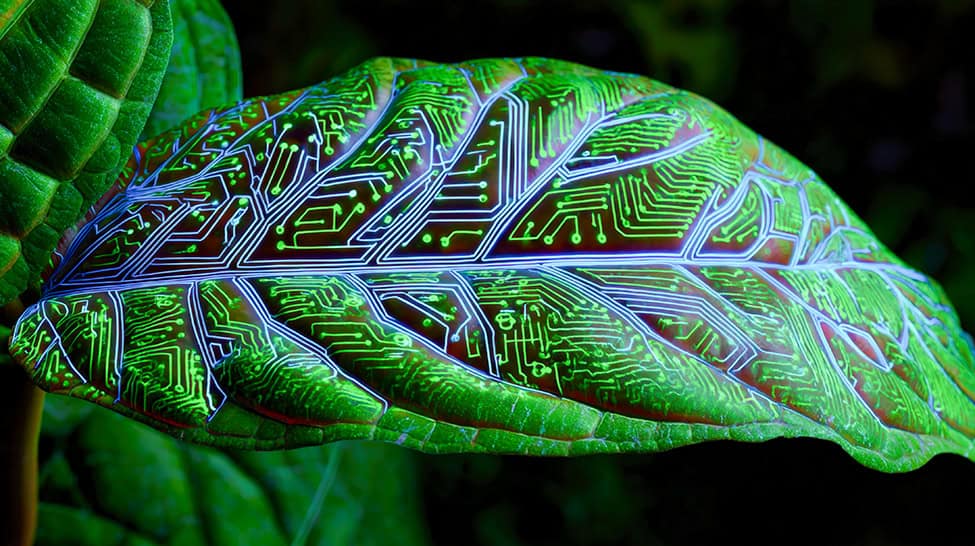
As businesses and individuals become increasingly conscious of their environmental footprint, web design and development are following suit. Sustainable web development is no longer a niche trend, it’s a necessity. In 2026, building eco-friendly websites is about combining environmental responsibility with high-performing, user-friendly design. At JEG DESIGN INC, we explore how your website can be both green and efficient, creating a digital experience that aligns with modern sustainability standards.
What Is Sustainable Web Development?
Sustainable web development refers to designing, developing, and maintaining websites in a way that minimizes their environmental impact. This includes reducing energy consumption, using efficient coding practices, optimizing content delivery, and choosing hosting solutions that prioritize renewable energy. In other words, sustainable web development ensures your website not only looks good and performs well but also reduces its carbon footprint.
Why Eco-Friendly Websites Matter
The internet accounts for nearly 4% of global greenhouse gas emissions, and this number is expected to rise if websites continue to be inefficient and energy-heavy. Every time a user visits a website, servers consume electricity, often generated from non-renewable sources. By adopting sustainable web development practices, businesses can contribute to global environmental goals, while also appealing to eco-conscious consumers.
Eco-friendly websites aren’t just good for the planet they can also improve user experience and performance. Lightweight websites load faster, consume less bandwidth, and are more accessible across devices, which directly impacts user satisfaction and conversion rates.
Principles of Sustainable Web Design
To create a sustainable website, developers and designers focus on several key areas:
1. Energy-Efficient Coding
Efficient coding reduces the processing power needed to run a website. By writing clean, optimized code, developers ensure that pages load faster and require less energy to display content. This includes minimizing redundant scripts, compressing files, and reducing unnecessary animations or plugins.
2. Green Web Hosting
The choice of hosting provider is critical for an eco-friendly website. Sustainable hosting providers use renewable energy, carbon offset programs, or energy-efficient data centers. Opting for green hosting can significantly reduce the environmental impact of a website, even for high-traffic sites.
3. Optimized Images and Media
Large images and videos can dramatically increase a website’s energy consumption and loading times. Using compressed and properly formatted images, lazy loading techniques, and video optimization reduces bandwidth and server load while maintaining visual quality.
4. Sustainable UX Design
Eco-friendly user experience design involves creating interfaces that are intuitive and efficient. Streamlined navigation, simplified layouts, and minimalistic design elements not only reduce user confusion but also reduce the amount of energy required to render pages.
5. Lightweight Frameworks and Headless CMS
Choosing lightweight frameworks and headless CMS platforms can significantly improve efficiency. Headless CMS decouples content management from the presentation layer, enabling faster page rendering and more efficient data handling, which reduces server energy usage.
The Benefits of Sustainable Web Development
Investing in eco-friendly website design offers several advantages beyond reducing your carbon footprint:
1. Improved Performance
Sustainable websites are inherently faster. By minimizing code bloat, optimizing media, and using efficient frameworks, these websites offer smoother user experiences and higher engagement.
2. Positive Brand Image
Consumers are increasingly eco-conscious. Having an eco-friendly website demonstrates a company’s commitment to sustainability, strengthening brand reputation and loyalty.
3. Cost Savings
Optimized websites consume less bandwidth and server resources, which can reduce hosting costs. Energy-efficient coding and media optimization can also lower maintenance expenses over time.
4. SEO Advantages
Search engines reward fast, responsive, and accessible websites. Sustainable web development aligns with SEO best practices, helping websites rank better in search results while simultaneously reducing environmental impact.
Practical Steps to Build an Eco-Friendly Website
Creating a sustainable website doesn’t have to be complex. Here are actionable steps businesses can take:
- Audit Your Current Website – Assess energy consumption, page load times, and media efficiency. Tools like Google PageSpeed Insights and Lighthouse can identify areas for improvement.
- Switch to Green Hosting – Research hosting providers that utilize renewable energy or carbon-neutral operations.
- Optimize Media – Compress images, enable lazy loading, and use modern formats like WebP for images and MP4 for videos.
- Simplify Design – Minimize unnecessary elements, streamline navigation, and adopt minimalistic layouts.
- Adopt Efficient Coding Practices – Remove unused scripts, optimize CSS and JavaScript, and leverage caching for repeated content.
- Consider Headless CMS – Decouple content management from presentation layers to enhance speed and reduce server load.
- Monitor and Maintain – Regularly audit website performance and sustainability metrics to ensure ongoing efficiency.
The Future of Eco-Friendly Web Design
In 2026, sustainable web development is expected to become the standard rather than the exception. As technologies like AI, predictive UX, and headless CMS evolve, websites can become smarter, faster, and greener. Designers and developers are increasingly responsible not just for the digital experience but also for the environmental impact of their work.
Businesses that embrace sustainable web practices early will not only save costs and improve user experience but also position themselves as forward-thinking leaders in a digital world increasingly concerned with sustainability.
Conclusion
Sustainable web development combines performance, usability, and environmental responsibility. By prioritizing energy-efficient coding, eco-friendly hosting, optimized media, and intelligent UX design, businesses can build websites that are both high-performing and environmentally conscious.
At JEG DESIGN INC, we believe the future of web development is green. Sustainable web practices don’t just benefit the planet, they enhance website performance, improve SEO, reduce costs, and strengthen your brand image. In 2026, building an eco-friendly website isn’t just a trend, it’s a strategic advantage.